Retrofit as a cost-effective and sustainable lever in challenging times
Retrofit - Machine Overhaul
Secure your competitiveness and productivity through targeted retrofitting by modernizing your existing production facilities in an economically targeted manner.
The benefits of retrofit in mechanical engineering at a glance
Relieve your production systems, for example, through
- mechanical optimisation of indexing and clamping systems
- retrofitting automation modules in assembly or handling processes
- integration of modern safety and sensor systems
- replacement of outdated control systems
with the aim of
- planned step-by-step modernisation without major investment
- extending the service life of existing systems
- relief in times of staff shortages
- greater process stability and quality
- achieving shorter throughput times
- reducing downtime and maintenance costs
- investment significantly below the cost of new equipment
- faster return on investment
Retrofit examples in pictures: before / after
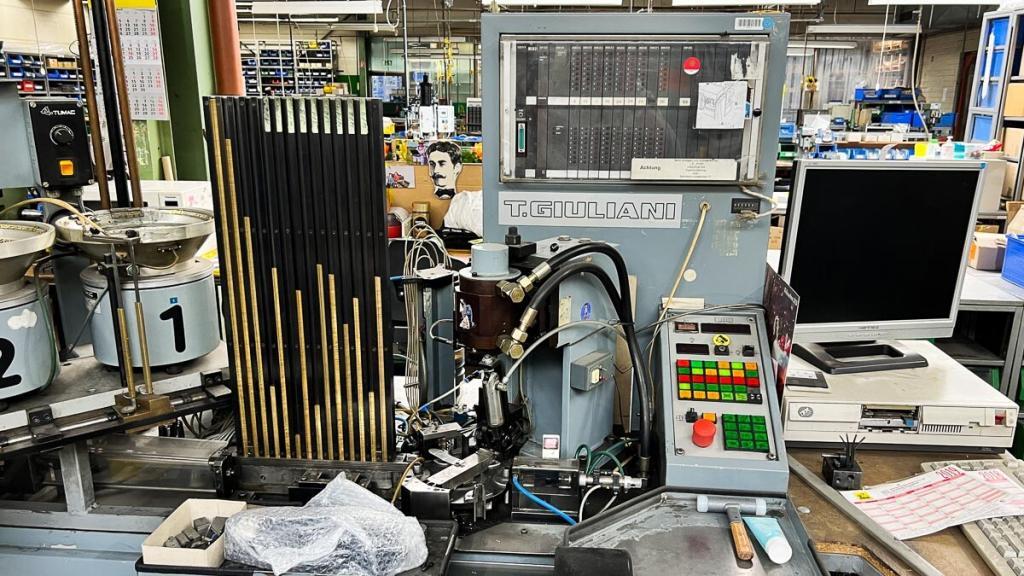
before retrofit
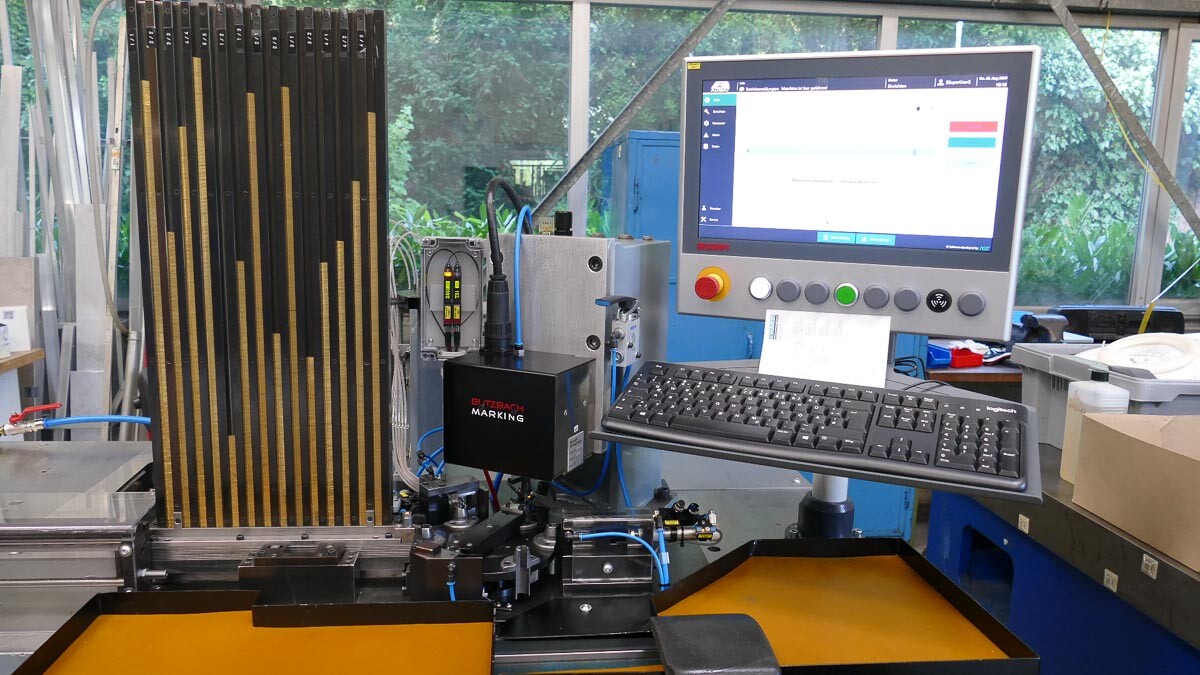
after retrofit
Machine before / after retrofit
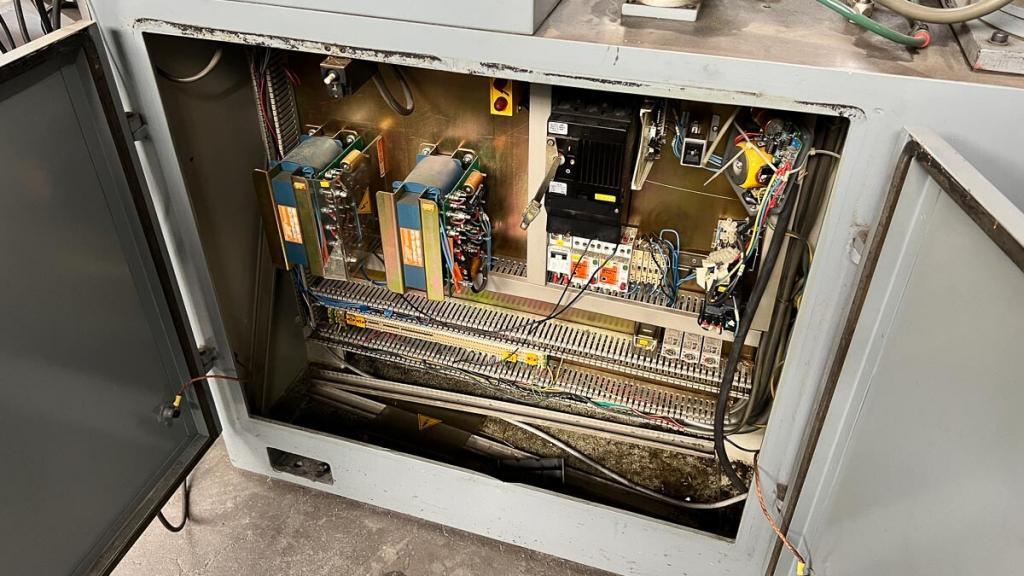
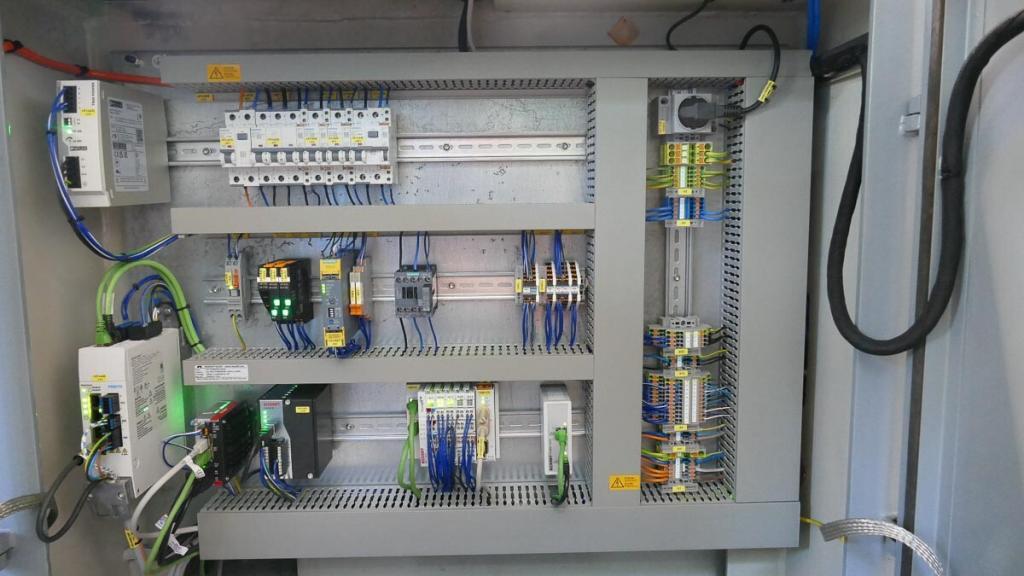
before retrofit
after retrofit
Control cabinet before / after retrofit
Take advantage of our modular implementation steps
- Analysis to determine automation potential: machine condition, bottlenecks, wear points
- Concept development: mechanics, control system, drive, sensors, safety and protective devices in accordance with the Machinery Directive
- Simulation and validation: 3D design, cycle time and load simulation
- Implementation and integration retrofit modules, commissioning, training, employees
- Monitoring and optimisation process monitoring
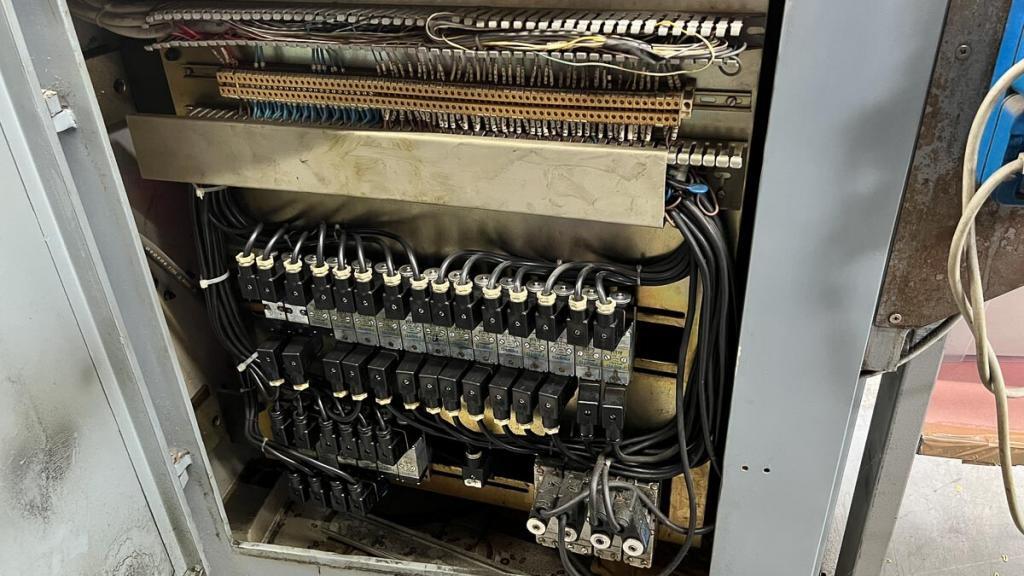
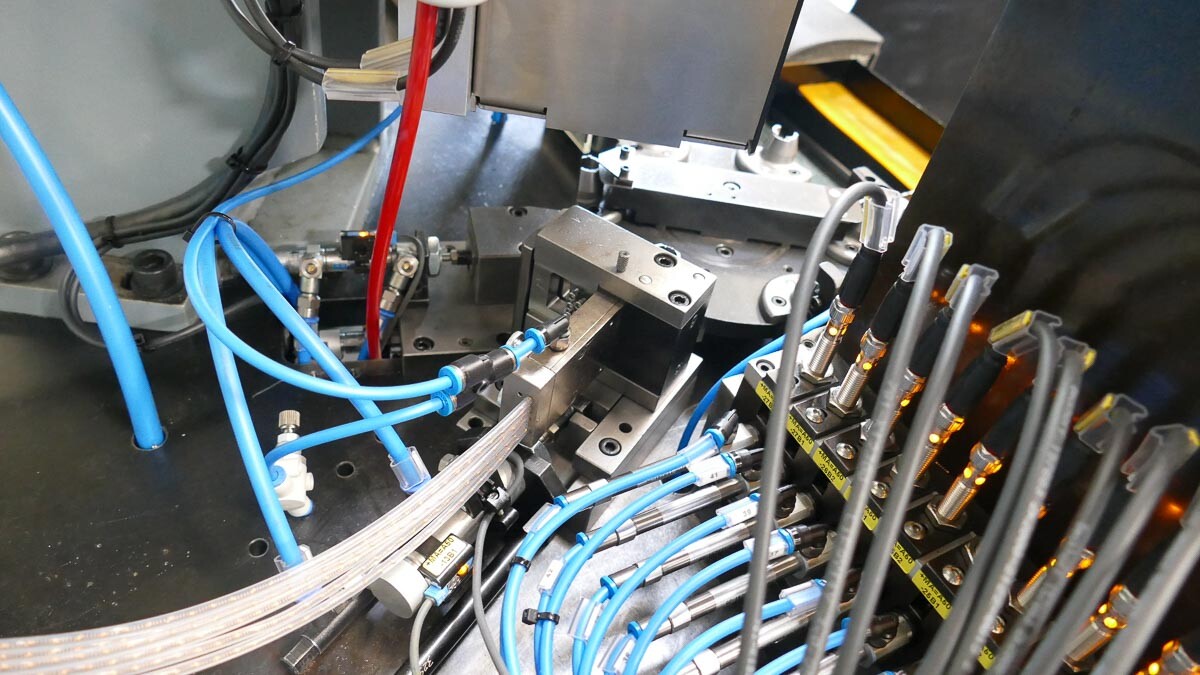
before retrofit
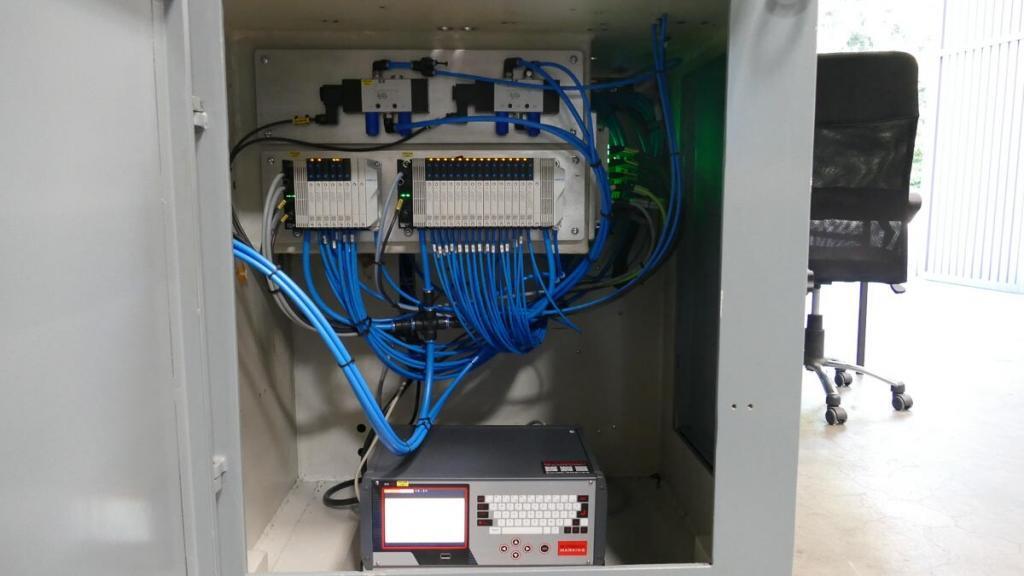
after retrofit
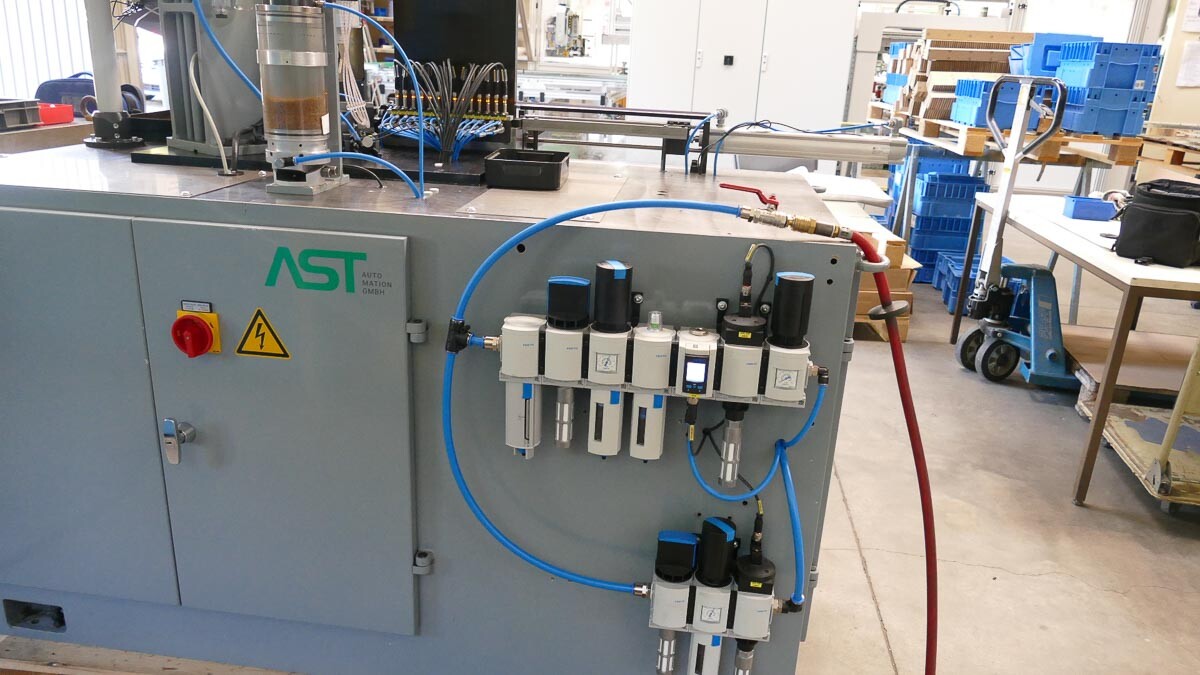
Pneumatics before / after retrofit
Result: Your economic benefit – practical figures
- Cycle time optimisation: +10 to 25% higher output
- Reduced downtime: -20 to 40% unplanned failures
- Automation of manual tasks: savings of 0.5 to 2 FTE per line
- Energy optimisation: -5 to 15% consumption
- Maintenance costs: significant reduction through modern components
- Investment volume: usually 30 to 60% below a new system
- ROI: often 12 to 36 months
Examples:
Modernisation – Retro-Fitting – General Overhauls
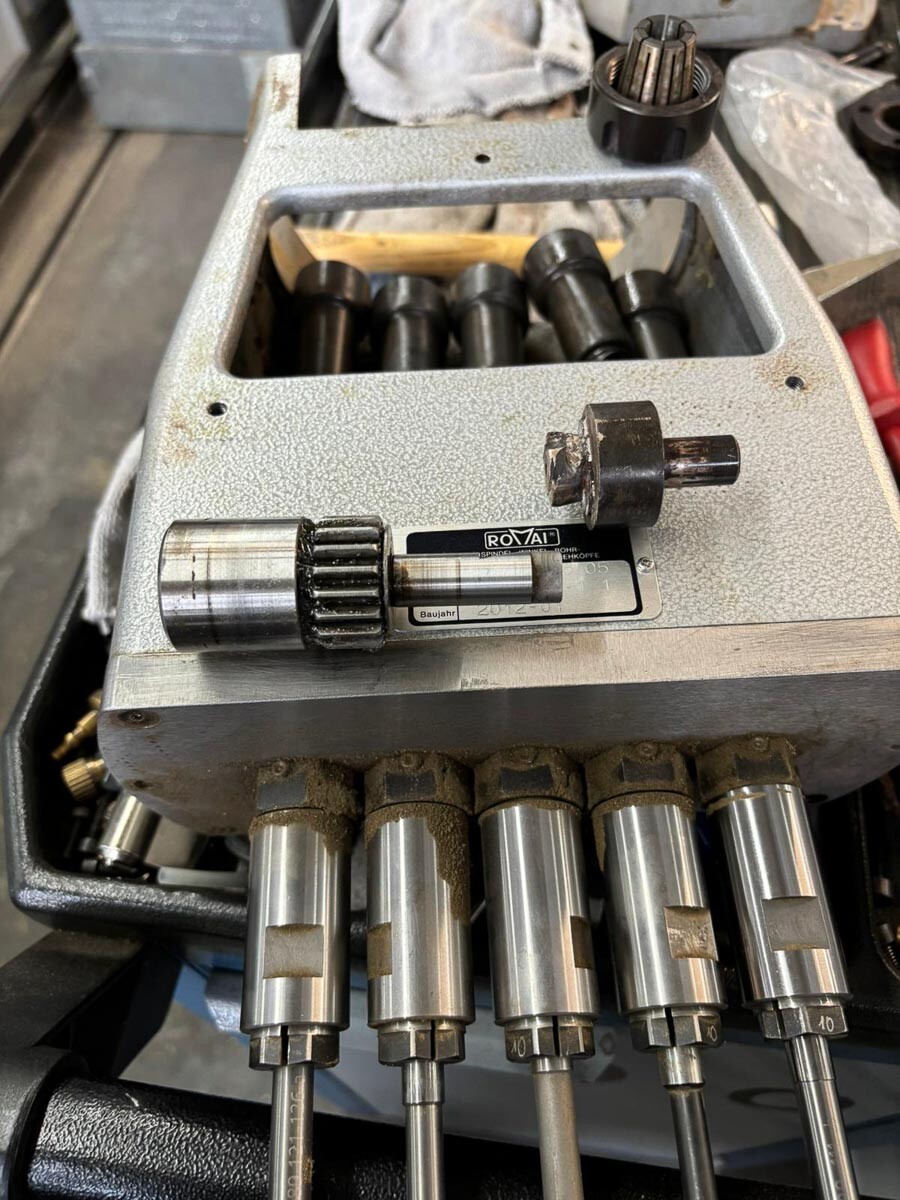
Maintenance of a multi-spindle head
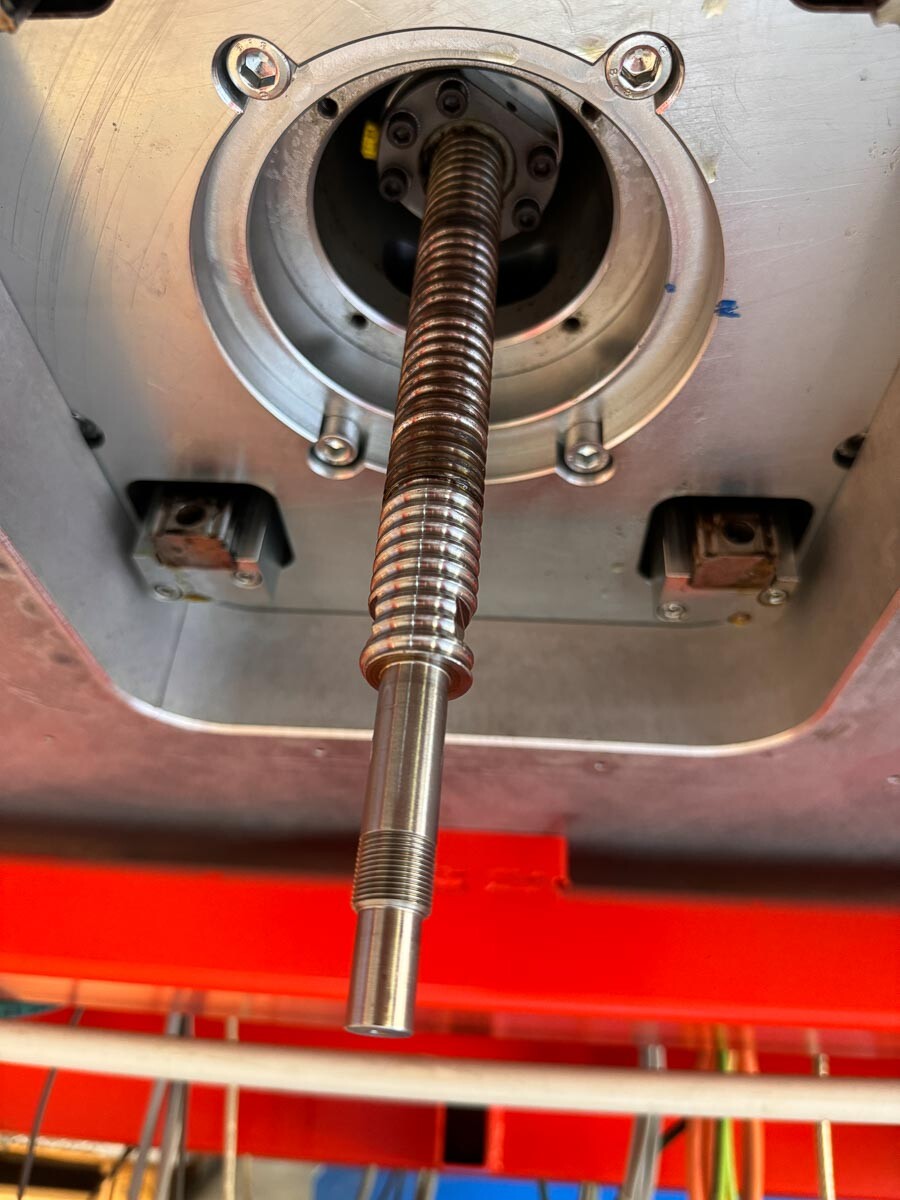
Repair of a ball roller screw
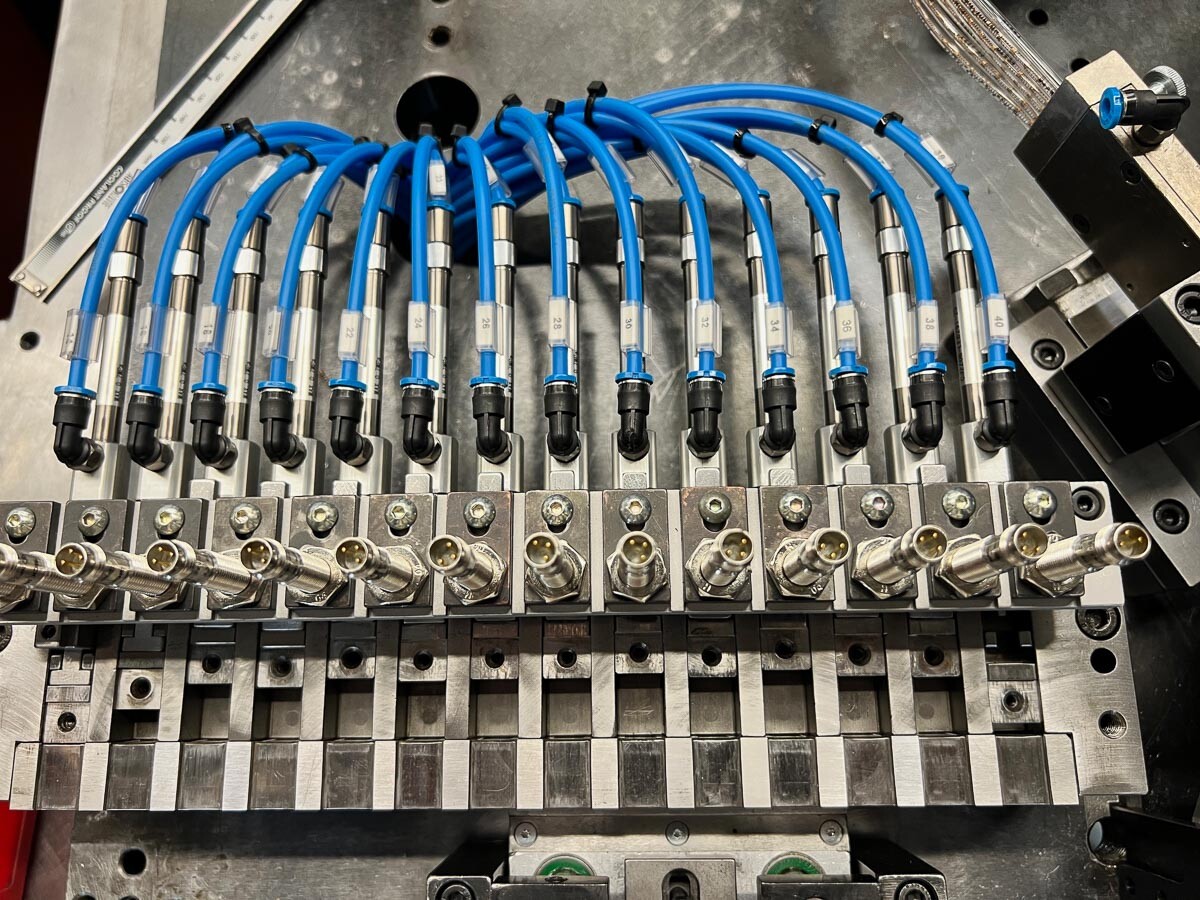
Cylinder_new
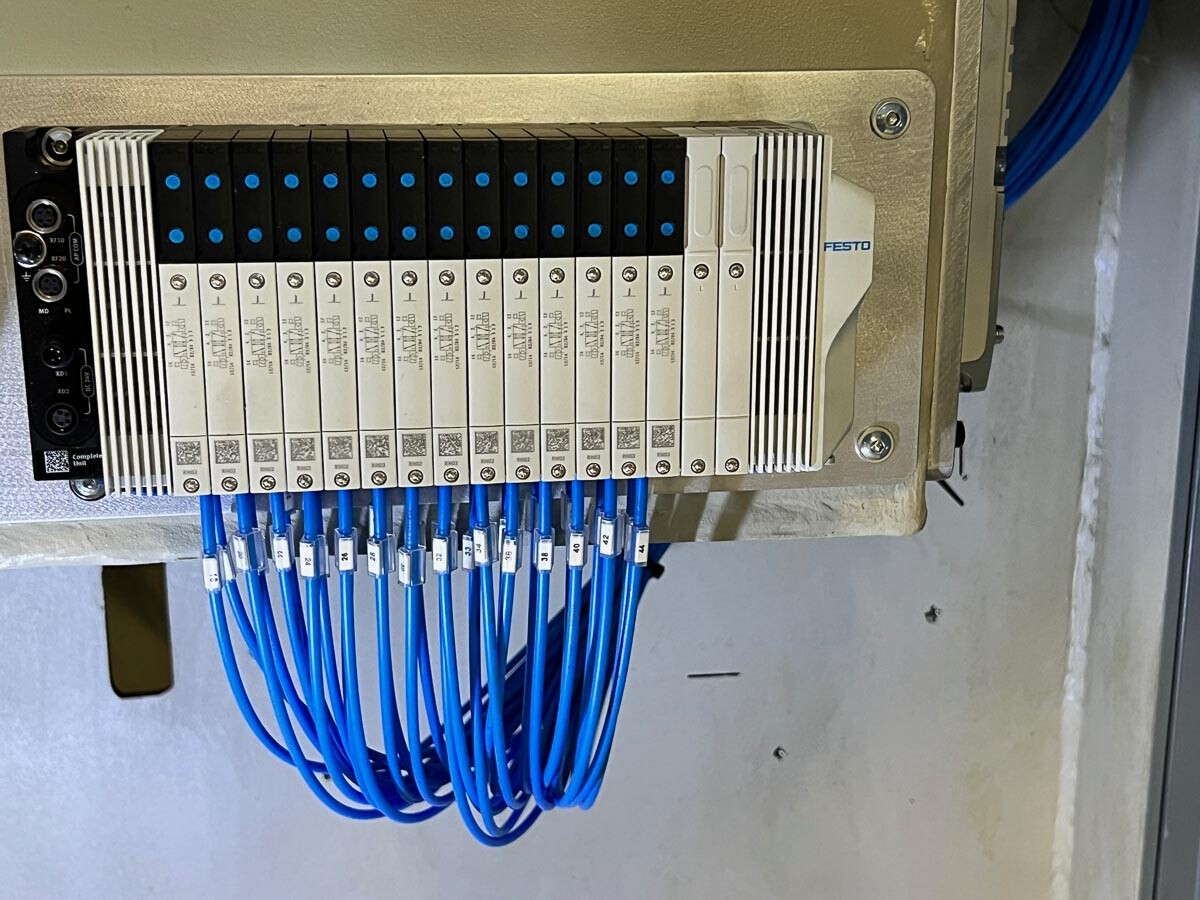
Pneumatic manifold_new
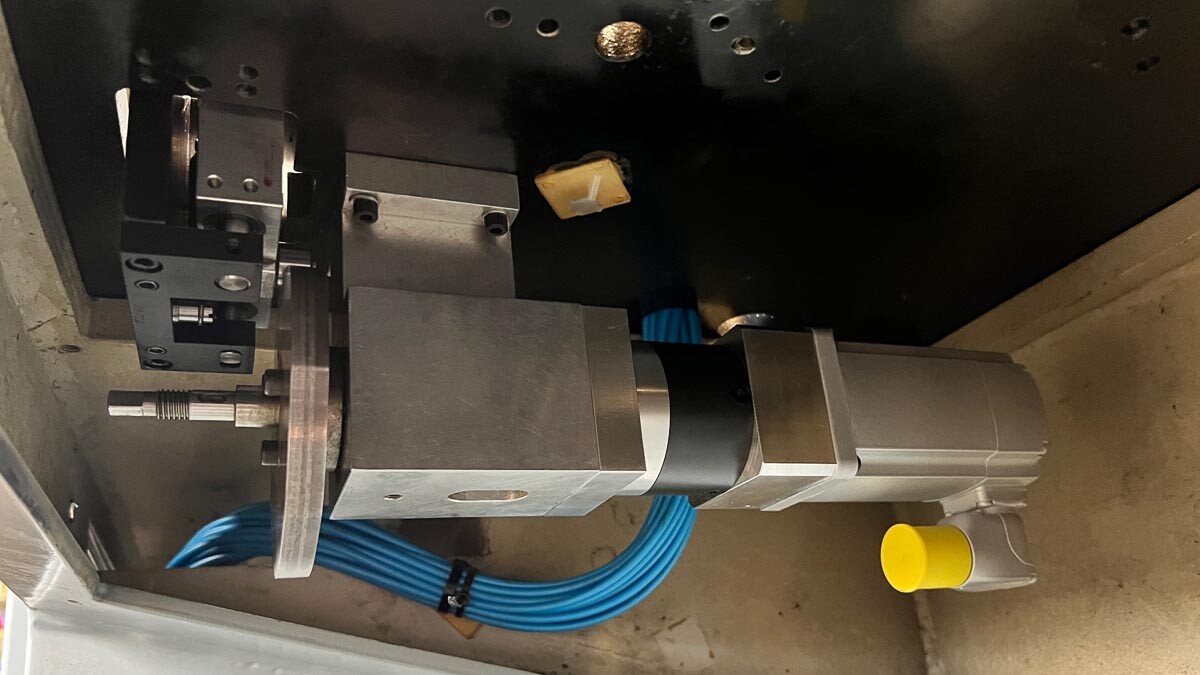
new_servo motor
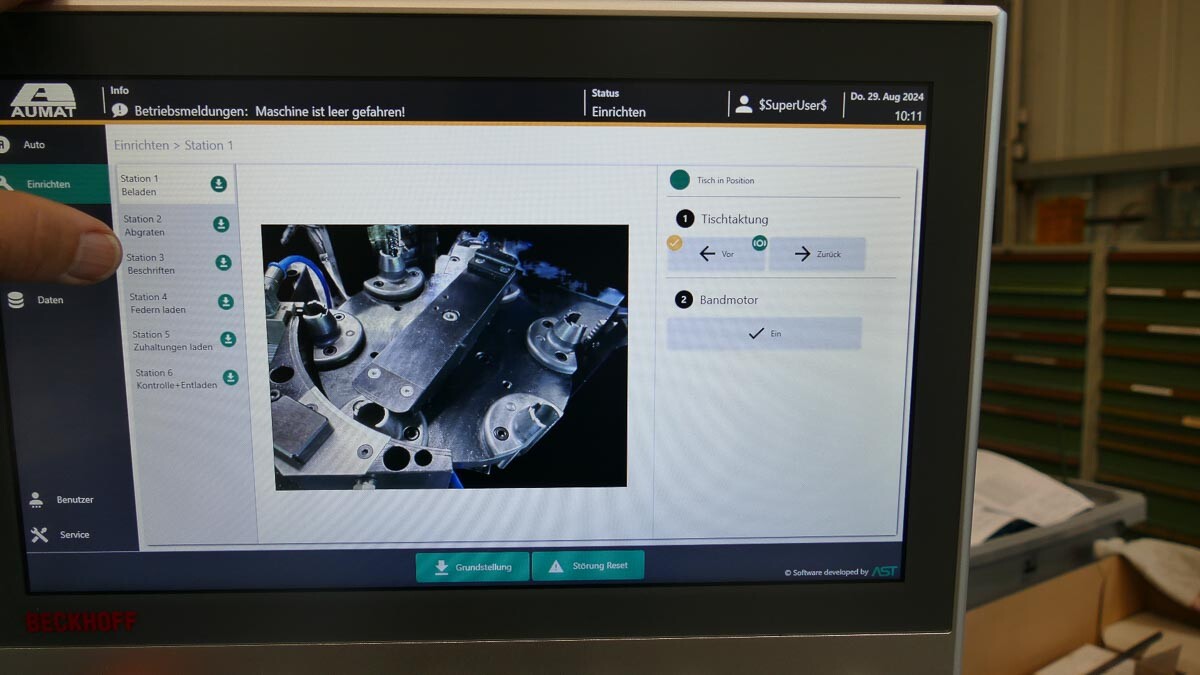
new_visualisation
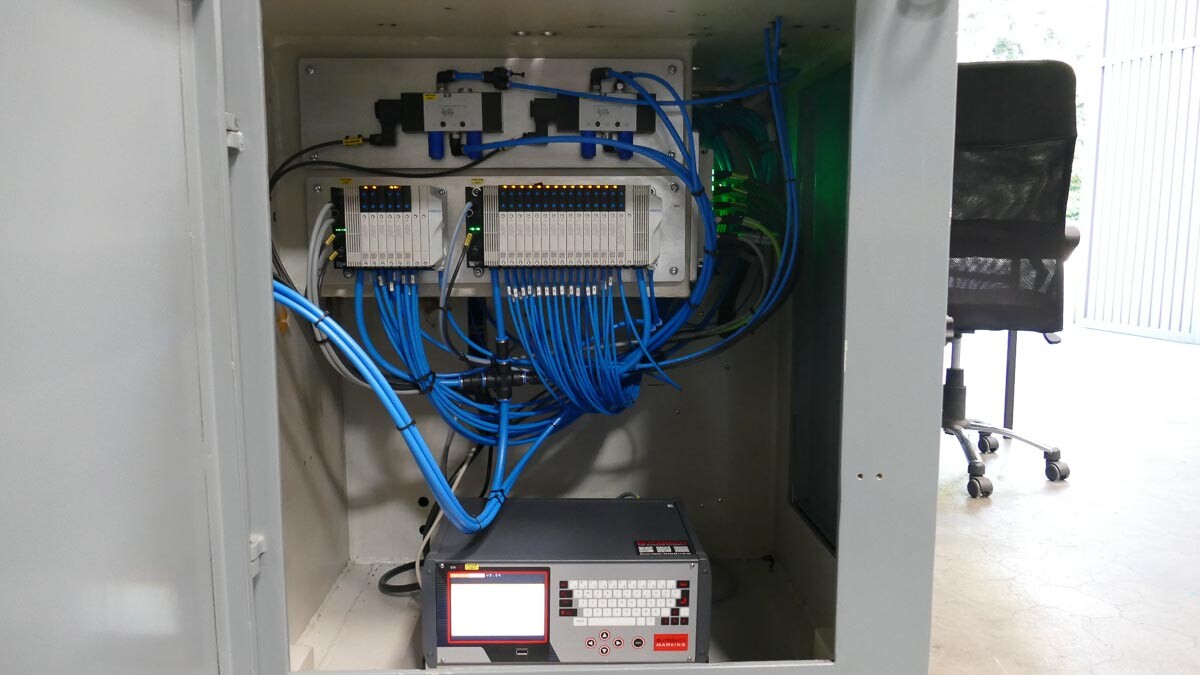
new_pneumatics
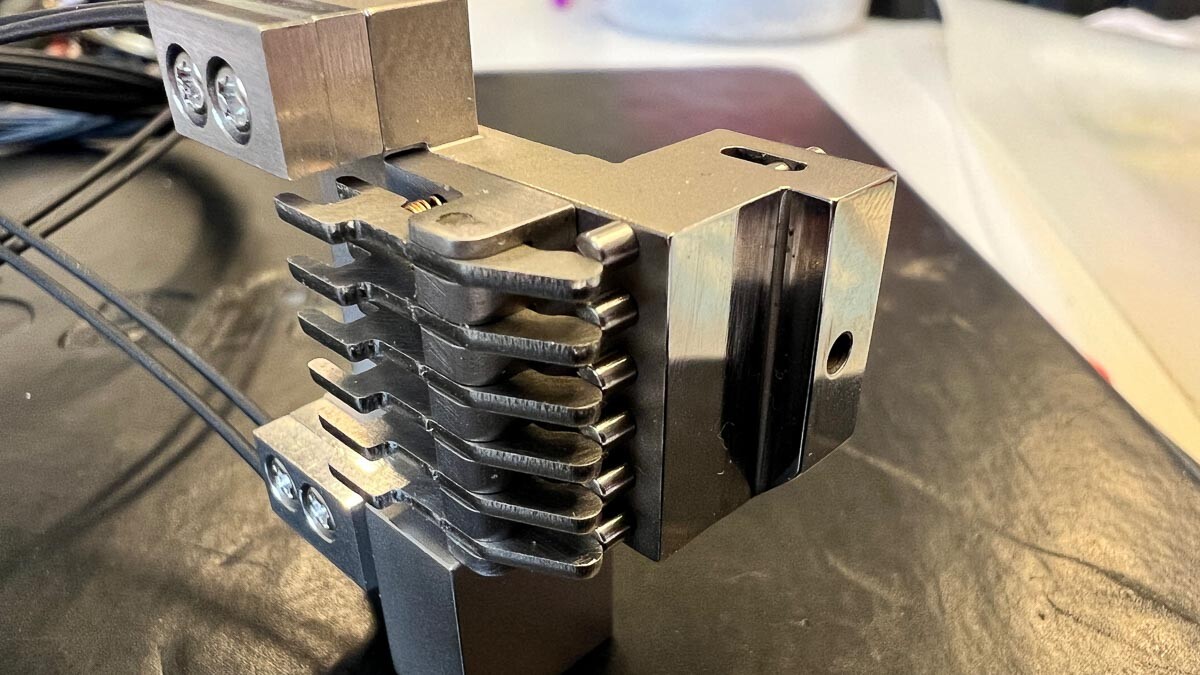
new_scanning device
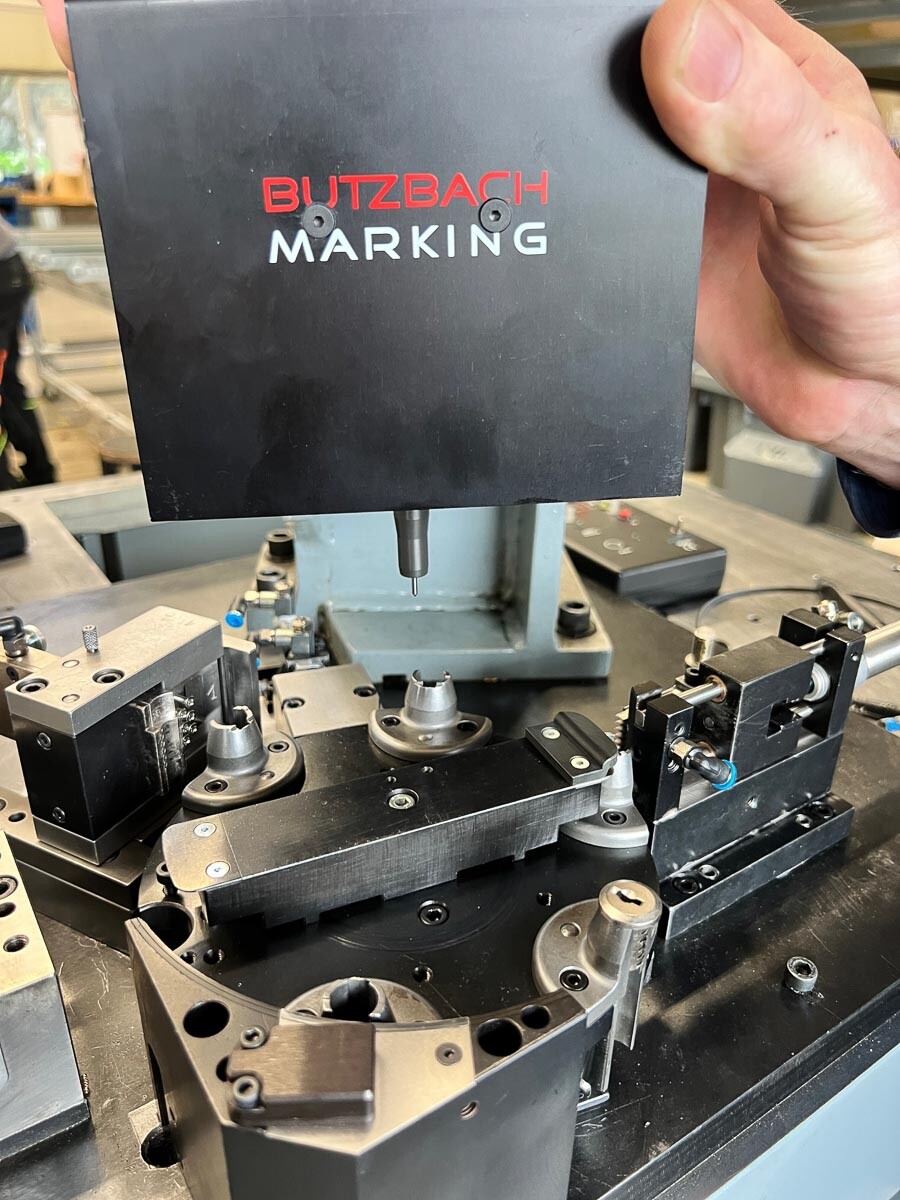
Needle marker_new
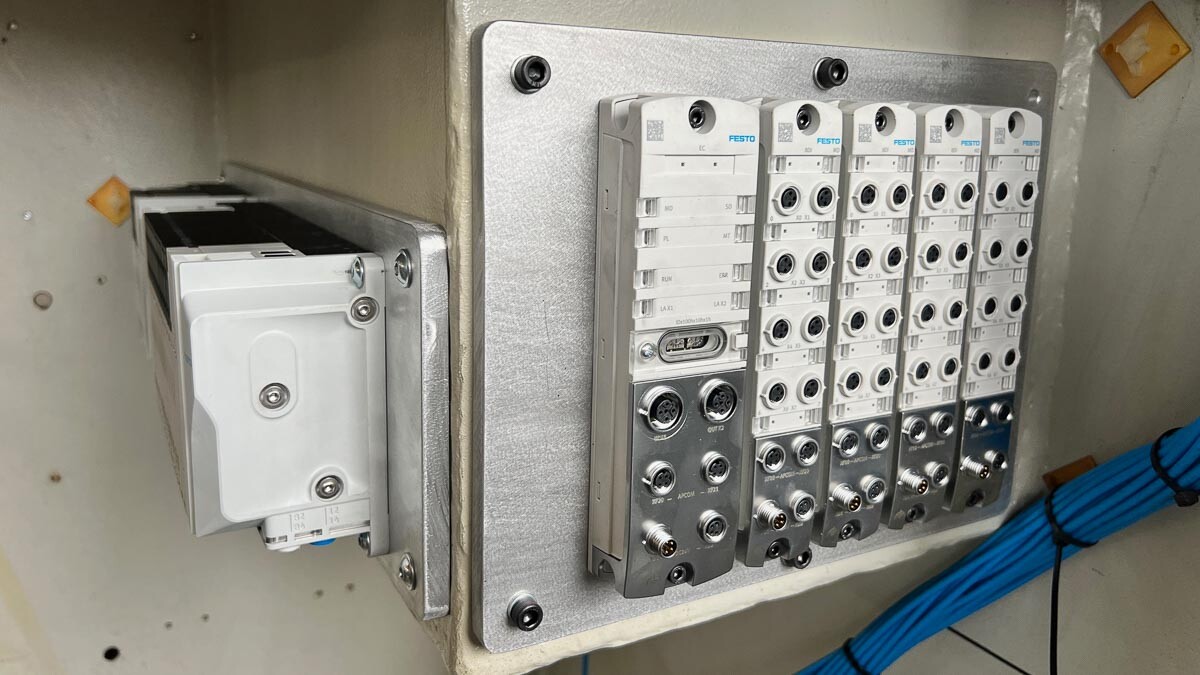
Input modules_new
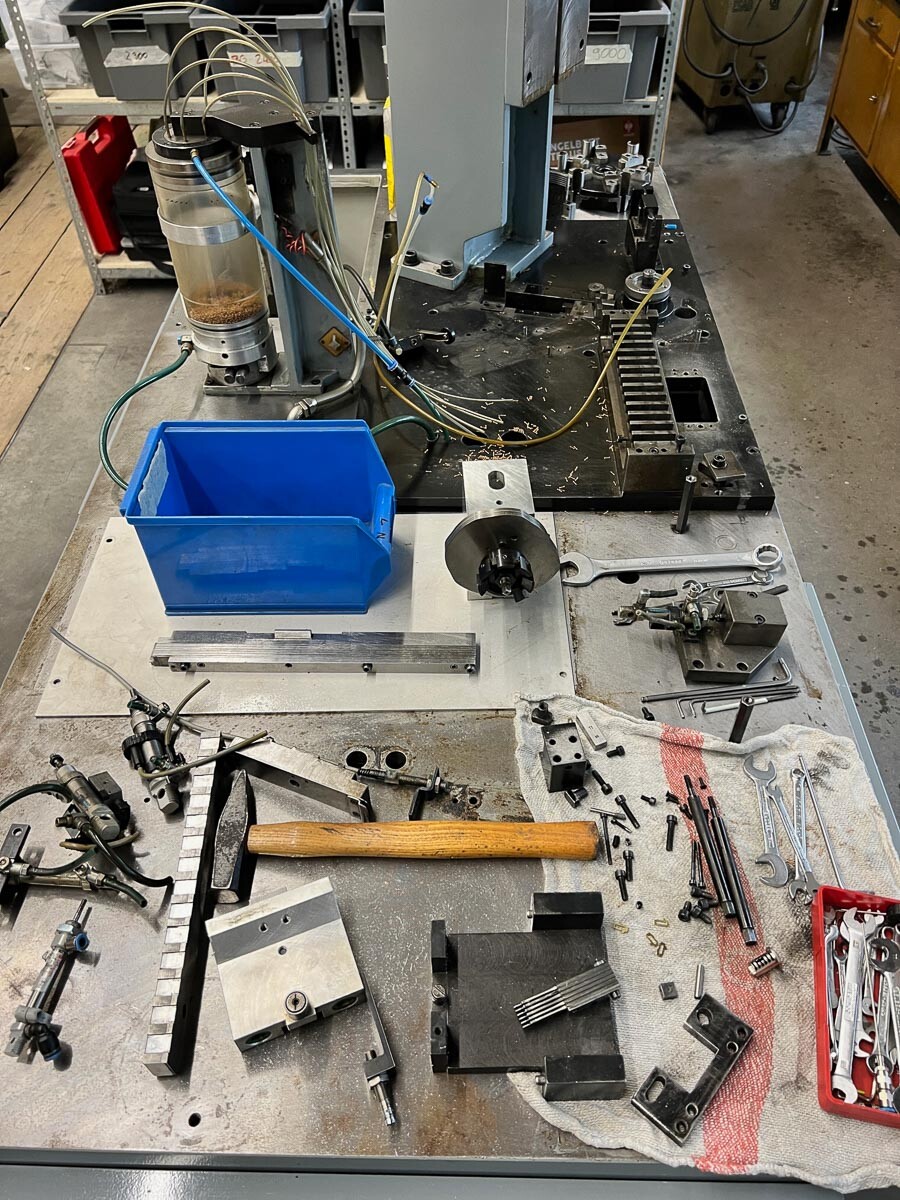
Disassembly
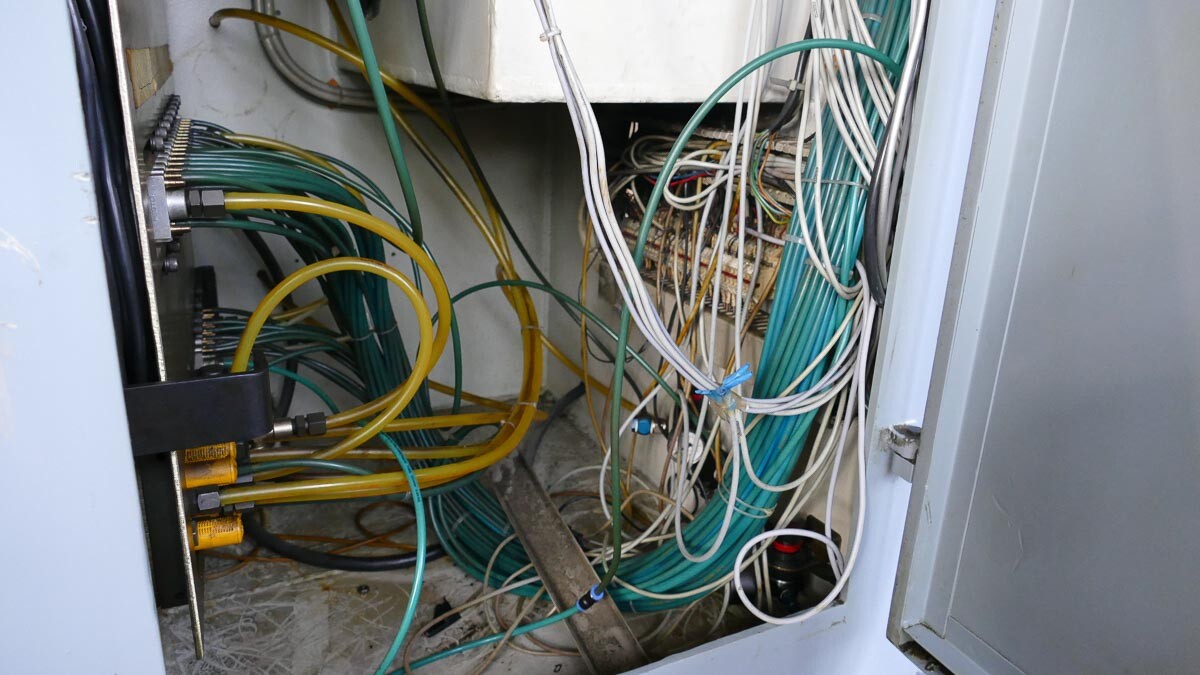
old_hosing
after_retrofit